
Toxins: What we don’t think about, but need to.
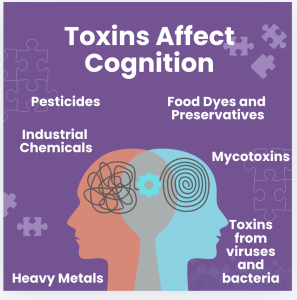
There is nothing like a great round of golf on a beautifully manicured course or sitting down to a vibrant meal filled with fresh salads and vegetables. Yet behind these everyday pleasures, hidden toxins may be quietly affecting your brain health and overall wellness. Pesticides, herbicides, heavy metals, and industrial chemicals are now recognized as powerful drivers of neurodegeneration, cognitive decline, and chronic disease.
How Pesticides Affect the Brain
For decades, researchers have studied how pesticides damage neurons and interfere with normal brain signaling. Many pesticides act as neurotoxins and accumulate in the body over time, even though they are tasteless and odorless. You can inhale them on golf courses, in gardens, or from nearby agriculture, and ingest them through non‑organic fruits, vegetables, grains, and animal products raised on treated feed.
Occupational and environmental exposure to pesticides such as glyphosate (Roundup) has been linked to a higher risk of Alzheimer’s disease and Parkinson’s disease. Epidemiologic data show that the global burden of Parkinson’s has at least doubled since the 1990s and is projected to keep rising sharply over the coming decades, paralleling increases in pesticide and industrial chemical exposure. Dementia cases worldwide are also expected to rise dramatically by 2050, with environmental toxins considered a major contributing factor.
Key Neurotoxic Toxins to Know
These are some of the most concerning toxins for brain health and neurological function:
Pesticides: Glyphosate (Roundup), organophosphates (such as dimethoate and chlorpyrifos), pyrethroids, and paraquat have all been associated with neurotoxicity and, in some studies, with elevated Parkinson’s and Alzheimer’s risk. Functional medicine doctors and environmental health experts strongly recommend minimizing exposure and prioritizing organic, non‑GMO foods whenever possible.
Heavy metals: Mercury is highly toxic to the brain and concentrates in large predatory fish such as tuna, swordfish, tilefish, and grouper. It is also present in some dental amalgams, fluorescent light bulbs, thermometers, certain switches, and older consumer products. Aluminum exposure has been associated with increased risk of cognitive impairment and is commonly found in cookware, foil, some antacids, antiperspirants, and drinking water. Cadmium (tobacco smoke), arsenic, and lead also contribute to neurotoxicity. We have recently seen analyses of various chocolate bars containing higher amounts of lead and cadmium. Certain types of rice have also been found to have higher levels of arsenic.
Industrial solvents and chemicals: Compounds such as PCBs, benzene, toluene, and trichloroethylene are used in paints, lacquers, adhesives, gasoline, cleaning agents, and degreasing solvents, and have been linked to cognitive decline and Parkinson’s disease in occupational and environmental studies. PFAS (“forever chemicals”) from nonstick cookware and treated materials, along with microplastics and BPA from plastics, food packaging, and water, can cross biological barriers and are increasingly being detected in human tissues, including the brain.
Phthalates: These plasticizers, including DEHP, are widely used in personal care products (shampoos, hair sprays, nail polish), PVC plumbing, and synthetic fragrances, and are associated with endocrine disruption and potential effects on memory and cognition.
Microplastics: Microplastics are tiny plastic fragments that form either when larger plastic items break down or are manufactured at small sizes (like microbeads and synthetic fibers). They’re found almost everywhere—air, water, food, and even inside human tissues. We get exposed to them in packaging, water bottles, containers and items we use daily. Once in the body, very small particles can cross biological barriers, enter the bloodstream, and some can reach the brain. This is important because microplastics are made from persistent polymers and can carry additives and pollutants on their surfaces, creating a long-lasting, mobile source of chemical and physical stress inside the body.
Early research suggests that microplastics may be a threat to brain health and cognition. Microplastics can cross the blood–brain barrier, trigger neuroinflammation and oxidative stress, alter synapses, and impair learning and memory-like behaviors.
Toxins from mold, fungus, and bacteria can also travel through the body, causing inflammation and changes in brain function. Mold toxicity (Mycotoxin illness) and Lyme disease are some examples of pathogenic invasion of brain tissue causing brain fog, headaches, forgetfulness, as well as mood and behavior changes. Getting to the root cause, eliminating exposure and treating the pathogen is key in healing.
Why These Toxins Damage the Nervous System
Although mechanisms differ by toxin, a common pathway is oxidative stress. These chemicals generate excess free radicals that damage DNA, lipids, and proteins in brain cells, triggering inflammation and impaired cellular function. Over time, this oxidative burden disrupts mitochondria, alters neurotransmission, and contributes to the progressive loss of neurons seen in Alzheimer’s, Parkinson’s, and other neurodegenerative diseases.
Toxicants can also change gene expression (epigenetics), modifying how detoxification pathways and inflammatory responses work in each person. Genetic variants in detox enzymes help explain why some individuals tolerate fragrance or pollution with little obvious reaction while others develop headaches, brain fog, or severe neurological symptoms after small exposures. Having genetic risk variants for Alzheimer’s or other brain conditions does not guarantee disease; the environmental “triggers” you control play a major role in whether these genes are switched on.
Children, Young Adults, and Silent Neurotoxicity
Toxic exposure is not just an issue for older adults. Children, teens, and young adults are especially vulnerable because their brains are still developing, and they have many decades of exposure ahead. In younger populations, toxin‑driven brain changes may show up as learning problems, behavior issues, mood disorders, relationship difficulties, workplace struggles, and early memory complaints rather than classic dementia.
How to Measure Your Toxic Burden
If you suspect toxic exposure, functional medicine testing can help identify your personal toxic load. Specialty laboratories offer panels for environmental pollutants, glyphosate and other pesticides, as well as blood, urine, or stool tests for heavy metals and organic solvents. Once a practitioner understands your toxic profile, they can design an individualized detox protocol that typically includes removing ongoing sources of exposure, supporting liver phase 1 and 2 detoxification, using targeted binders or chelators when appropriate, and implementing elimination diets and therapeutic medical foods.
Lifestyle Strategies to Lower Toxic Load
Simple but consistent lifestyle changes can dramatically reduce your toxic burden and protect your brain health over time. These strategies support both exposure reduction and natural detox processes.
Use evidence‑based resources: The Environmental Working Group (EWG) provides a tap water database, Healthy cleaning guide, and Skin Deep database for safer personal care products, as well as an app to scan products quickly. Their “Dirty Dozen” and “Clean Fifteen” lists help you prioritize which produce to buy organic to minimize pesticide intake.
Choose cleaner food: Whenever possible, opt for organic, non‑GMO fruits and vegetables, organic grass‑fed beef, organic poultry, and organic or imported cheeses from countries with stricter chemical regulations. Select wild‑caught fish instead of farm‑raised fish, which often contain higher levels of pesticides and industrial contaminants.
Optimize your water: Use high‑quality filtration, such as reverse osmosis, when available, and avoid drinking regularly from plastic bottles to reduce exposure to microplastics, BPA, and PFAS.
Reduce heavy metals: Work with a trained biological or holistic dentist for safe removal of mercury amalgams, as improper techniques can increase exposure during removal. Limit high‑mercury fish like tuna, swordfish, tilefish, and grouper, and favor low‑mercury options such as wild salmon and sardines. Choose aluminum‑free deodorants and avoid unnecessary aluminum‑containing antacids or cookware when possible.
Clean up your air: Avoid synthetic room sprays, plug‑in air fresheners, fabric softeners, and heavily fragranced products that contain phthalates and other volatile organic compounds; use essential oils or unscented options instead.
Avoid plastic bottles and containers. Use glass when possible. Substitute silicone or parchment for plastic wrap and bags. Never microwave in a plastic container. Remember that lined paper cups and hot beverages leak plastic.
Support natural detox: Regular sweating through exercise or sauna, along with practices like dry skin brushing, enhances circulation and elimination. Adequate sleep, stress management, and consistent physical activity all improve detox pathways and lower inflammation.
Gut Health, Nutrition, and Brain‑Protective Supplements
A healthy gut is foundational for a healthy brain. Balanced gut microbiota help metabolize toxins, modulate inflammation, and support the gut‑brain axis. To keep elimination moving, prioritize hydration, high‑fiber foods, and regular bowel movements, and consider fermented foods and a broad‑spectrum probiotic if appropriate.
Nutrient deficiencies can amplify the damage of toxic exposure. Many practitioners recommend a high‑quality multivitamin, adequate vitamin D, and omega‑3 fatty acids providing at least 1 gram of combined EPA and DHA daily for brain support. Polyphenols such as resveratrol, curcumin, and green tea catechins have antioxidant and anti‑inflammatory properties that may help counter oxidative stress in the brain. Keeping blood sugar in a healthy range with a lower‑carbohydrate, higher‑protein, healthy‑fat diet also helps reduce brain inflammation and preserves cognitive function.
Building a Brain‑Healthy Lifestyle
Protecting brain health in a toxic world requires both environmental cleanup and active brain engagement. Cognitive stimulation—such as word and number puzzles, learning new skills, or taking dance classes—helps build cognitive reserve and resilience against degeneration. Regular exercise, 7–8 hours of quality sleep, and daily stress‑management practices lower cortisol and systemic inflammation, further supporting neurological health.
Functional nutrition practices, such as those at D‑Signed Nutrition, focus on identifying toxic exposures, assessing genetic vulnerabilities, and developing personalized detox and lifestyle plans. For many people with chronic symptoms, exploring environmental and chemical toxicity as a root cause can unlock significant improvements in quality of life, energy, mood, and long‑term brain health.
Leave a Reply
You must be logged in to post a comment.